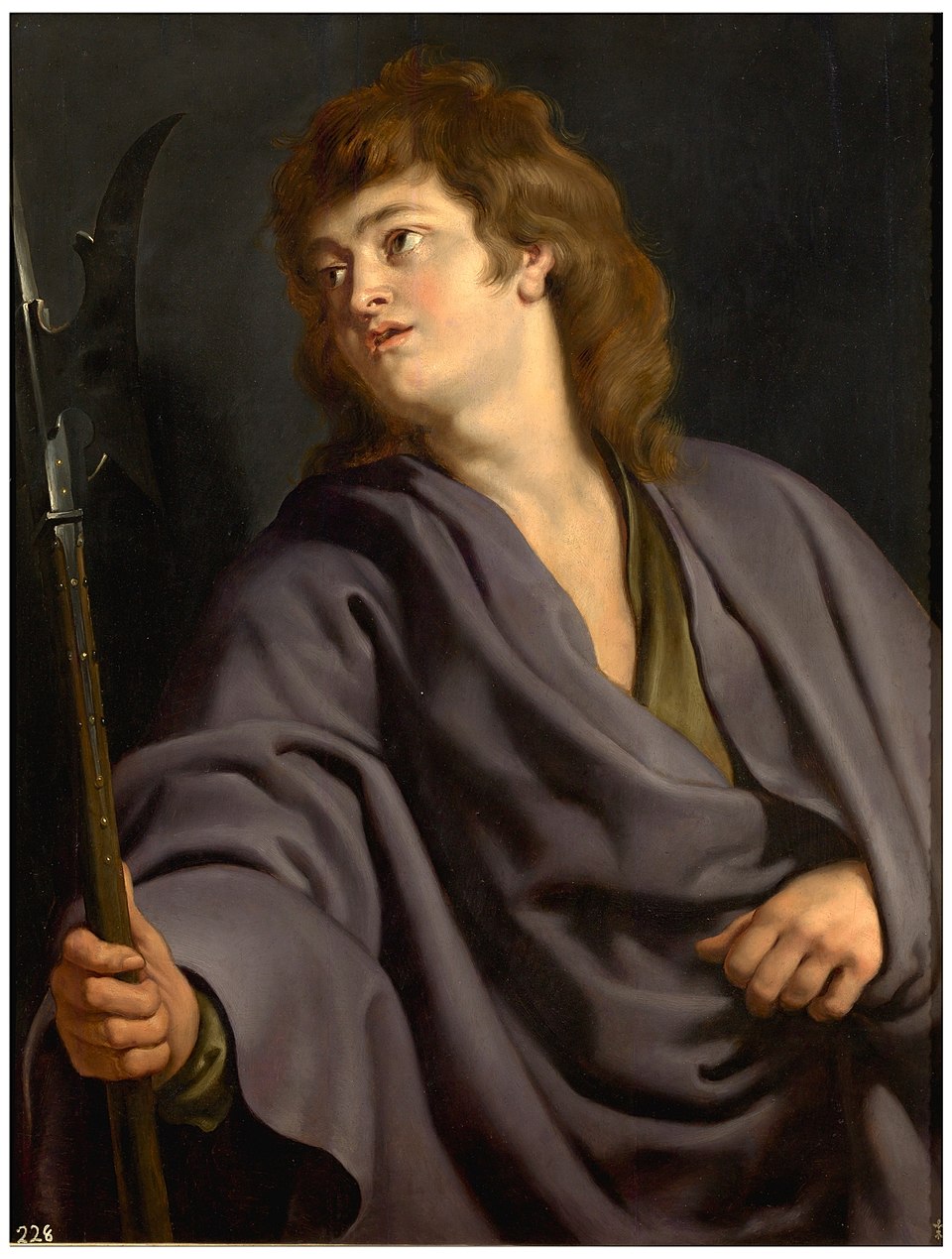
Saint Matthew: From Tax Collector to Evangelist
The name Matthew resonates deeply within Christian tradition, evoking images of a transformative encounter and the foundational writings of the New Testament. Often remembered as the unlikely disciple, a tax collector called by Jesus, Saint Matthew’s journey from a reviled publican to a revered Apostle and Evangelist is a testament to the radical power of divine grace. His life and literary contributions have shaped centuries of faith, offering profound insights into the identity of Jesus as the promised Messiah and the true nature of God's Kingdom.
Before we delve into the extraordinary life and enduring legacy of this pivotal biblical figure, it's worth clarifying the subject of our exploration. While contemporary online searches sometimes lead to inquiries about individuals like Matthew Roszak and details concerning "
matthew roszak net worth," this comprehensive article focuses exclusively on the revered biblical Saint Matthew. Our journey will not touch upon the financial standing of modern personalities, but rather illuminate the spiritual wealth, historical significance, and profound theological contributions of the Apostle Matthew, whose story is inextricably woven into the fabric of Christian history.
The Radical Call: Matthew's Transformation from Publican to Apostle
Matthew, also known by his Hebrew name Levi, occupied a position in society that was widely despised. As a publican, or tax collector, for the Roman Empire in Capernaum, he was seen by his fellow Jews as a traitor, a collaborator with the occupying power, and often corrupt. Tax collectors were notorious for extorting money beyond what was legally required, enriching themselves at the expense of their own people. This profession placed Matthew firmly on the fringes of respectable society, alienated from religious leaders and common folk alike.
It is precisely this social standing that makes Jesus' call to Matthew so profoundly radical and illustrative of the Gospel message. The Synoptic Gospels recount the moment with striking simplicity: Jesus saw Matthew sitting at his tax booth and simply said, "Follow me." What followed was nothing short of miraculous – Matthew immediately rose, left everything behind, and followed Jesus. This instantaneous obedience speaks volumes about a heart perhaps already yearning for something more, or simply overwhelmed by the direct, unconditional acceptance offered by the Nazarene.
Matthew's response was not just immediate but generous. He hosted a great feast for Jesus at his house, inviting many of his fellow tax collectors and "sinners." This act of hospitality, a public declaration of his new allegiance, drew the ire of the Pharisees, who questioned why Jesus would associate with such individuals. Jesus' famous reply, "It is not the healthy who need a doctor, but the sick. I have not come to call the righteous, but sinners to repentance," underscored the very essence of his mission and Matthew’s pivotal role in demonstrating it. Matthew's transformation was not just a personal conversion; it was a living parable for all to see. To learn more about his background and role, explore
Matthew the Apostle: History, Facts, and Biblical Role.
The Gospel According to Matthew: A Cornerstone of Christian Scripture
Among the four Evangelists, Matthew holds a unique position as the author of the first Gospel in the New Testament canon. While scholarly debate continues regarding the exact date and original language of its composition, its purpose and theological thrust are clear: to present Jesus as the long-awaited Messiah, the fulfillment of Old Testament prophecies, and the King of God's Kingdom. Written primarily for a Jewish Christian audience, Matthew's Gospel meticulously connects Jesus' life, teachings, miracles, death, and resurrection to the sacred texts of the Hebrew Scriptures.
Key features of Matthew's Gospel include:
- Emphasis on Fulfillment: Matthew frequently uses the phrase "this was to fulfill what was spoken by the prophet," citing numerous Old Testament passages to demonstrate Jesus' messianic credentials.
- The Kingdom of Heaven: This phrase, appearing over 30 times, is central to Matthew's theology, often used interchangeably with "Kingdom of God," emphasizing God's sovereign rule inaugurated through Jesus.
- The Sermon on the Mount: Chapters 5-7 contain the most comprehensive collection of Jesus' ethical teachings, including the Beatitudes, the Lord's Prayer, and radical interpretations of Mosaic Law, presenting Jesus as the new Moses.
- The Role of the Church: Matthew is the only Gospel to explicitly use the word "church" (ekklesia), highlighting its establishment and Jesus' commissioning of his disciples to build it.
- Great Commission: The Gospel concludes with Jesus' powerful command to his disciples to "go and make disciples of all nations," emphasizing the global scope of the Christian mission.
Matthew's narrative is highly structured, often presenting Jesus' teachings in blocks, making it an invaluable resource for understanding Christian doctrine and ethics. His meticulous attention to detail and theological emphasis have made his Gospel an enduring foundation for Christian faith and practice. For a deeper dive into its structure and messages, consider reading
Gospel of Matthew: Chapters, Summary, and Key Insights.
Saint Matthew's Enduring Legacy and Impact
After Jesus' ascension and the coming of the Holy Spirit at Pentecost, Matthew, like the other Apostles, embarked on a mission to spread the Gospel. While detailed accounts of his post-Pentecost ministry are sparse in canonical scripture, early Church traditions suggest he preached in Judea for many years before traveling to other regions. Various traditions place his missionary journeys in Ethiopia, Parthia, Persia, and Macedonia. His martyrdom is widely accepted, though the specific circumstances vary across different historical accounts, with many traditions stating he was martyred in Ethiopia.
Matthew's legacy extends far beyond his direct missionary efforts. As one of the twelve Apostles and the author of a Gospel, his influence on Christian theology, liturgy, art, and culture is immense. He is recognized as a saint in the Roman Catholic, Eastern Orthodox, and Anglican Churches, among others, with his feast day typically celebrated on September 21st. Matthew is also the patron saint of tax collectors, accountants, bookkeepers, and customs officers – a poignant reminder of his own past and the universal call to transformation.
His symbolic representation in Christian art is often a winged man or angel, signifying the human nature of Christ emphasized in his Gospel, particularly his genealogy. This iconography underscores his role as a messenger, bringing the divine truth to humanity. The story of Matthew offers a powerful message: no one is beyond redemption, and God can use anyone, regardless of their past, to achieve His purposes.
Embracing the Spiritual Wealth of Saint Matthew
In an age where "net worth" is often measured by financial assets, Saint Matthew offers a profoundly different perspective on true wealth. His story is a testament to the inestimable value of spiritual transformation, unwavering faith, and devoted service. He traded a life of material gain, albeit through questionable means, for an eternal inheritance and a central role in shaping the most influential spiritual movement in human history.
Practical insights from Saint Matthew's life include:
- The Power of Immediate Response: Matthew's instantaneous obedience to Jesus' call highlights the importance of responding to divine invitation without hesitation.
- Redemption and Second Chances: His radical transformation assures us that no past action or profession can preclude one from God's grace and a new purpose.
- Inclusivity of the Gospel: Jesus' willingness to dine with tax collectors and "sinners" through Matthew's hospitality demonstrates the Gospel's message of radical inclusivity.
- The Importance of Bearing Witness: Matthew didn't just follow; he actively shared his experience and eventually documented it, becoming a foundational witness to Christ's life and teachings.
While discussions about financial standing might pertain to modern figures and queries like "
matthew roszak net worth," the legacy of Saint Matthew transcends any monetary valuation. His "net worth" is in the countless lives touched by his Gospel, the theological insights he provided, and the enduring inspiration of his personal journey from outcast to Apostle. He reminds us that true riches lie in spiritual alignment and purpose.
Conclusion
Saint Matthew, the tax collector who became an Apostle and Evangelist, stands as a towering figure in Christian history. His willingness to abandon a lucrative but morally compromised life for the call of Christ provides a compelling narrative of redemption and radical discipleship. Through his meticulously crafted Gospel, he continues to guide believers through the teachings of Jesus, affirming His identity as the Messiah and proclaiming the advent of the Kingdom of Heaven. His journey offers a timeless testament to the transformative power of faith, inviting us all to consider what true wealth truly entails and the profound impact one transformed life can have on the world.