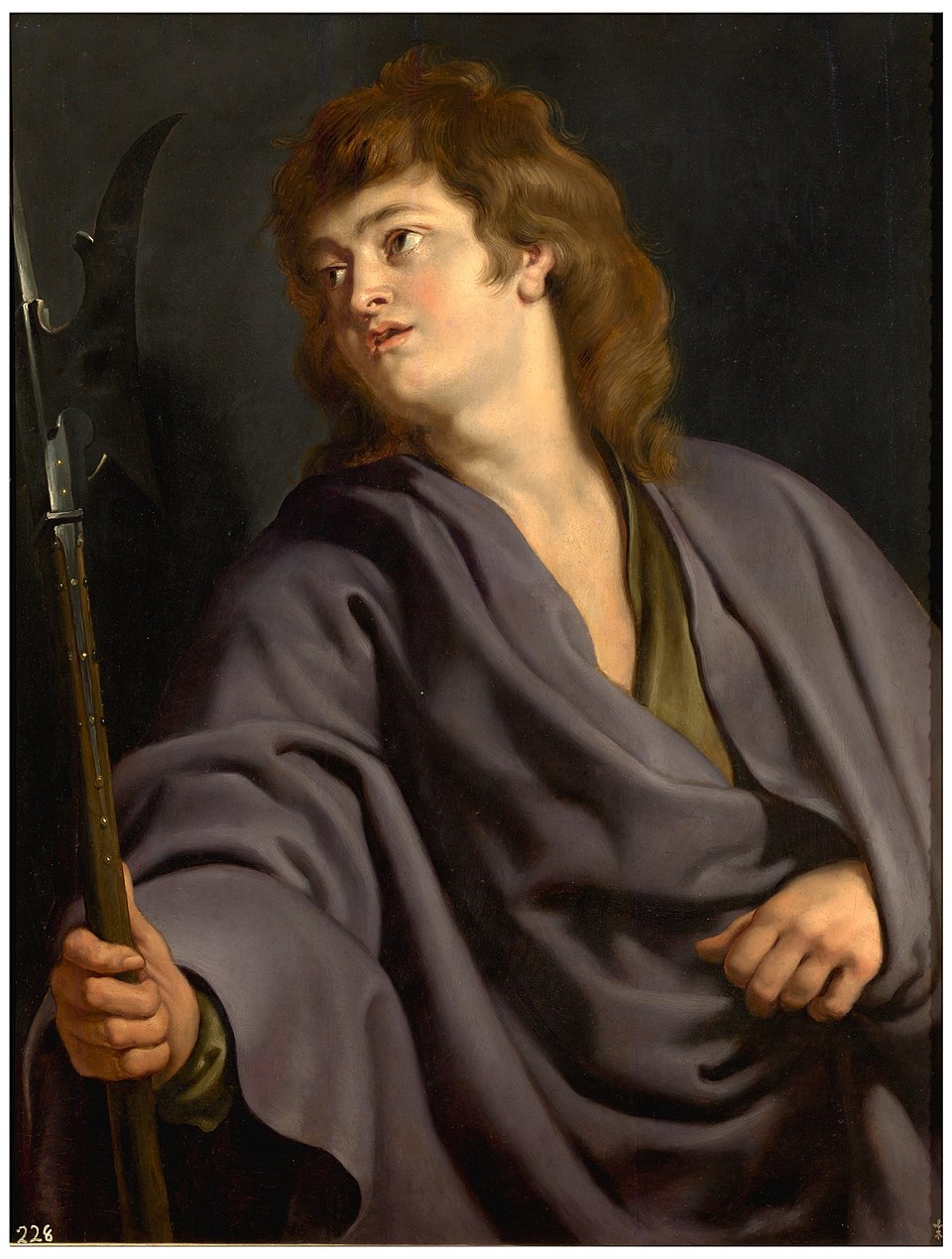
Matthew the Apostle: From Tax Collector to Evangelist
Matthew the Apostle, known also as Levi, stands as one of the most compelling figures in the annals of Christian history. His story is one of radical transformation, unwavering devotion, and profound literary contribution. As one of Jesus Christ's twelve chosen disciples and the traditionally accepted author of the first Gospel in the New Testament, Matthew's life and legacy are foundational to understanding early Christianity and the message of Jesus. This article delves into his fascinating history, key biblical facts, and the enduring role he plays in faith and theology.
The Calling of Matthew: A Life Transformed
Before his encounter with Jesus, Matthew was known as Levi and worked as a publican, or tax collector. In 1st-century Judea, this profession was highly contentious. Tax collectors were often Jews who collaborated with the Roman occupying forces, extorting money from their own people to enrich themselves and the Roman Empire. Consequently, they were ostracized, viewed as traitors and sinners, and held in deep contempt by society. This background makes Matthew's call to discipleship all the more striking and illustrative of Jesus' inclusive ministry.
The Gospel accounts (Matthew 9:9-13, Mark 2:13-17, Luke 5:27-32) vividly describe the moment Jesus called Matthew. Jesus simply said, "Follow me," and Matthew immediately rose, left everything behind, and followed Him. This decisive act of obedience speaks volumes about Matthew's character and his readiness to embrace a new path. His response was not just a change in profession but a complete reorientation of his life's purpose and allegiance.
Matthew's immediate action after his call was to host a great feast at his home, inviting Jesus and His disciples, along with many other tax collectors and "sinners." This gathering drew criticism from the Pharisees, who questioned why Jesus would associate with such individuals. Jesus' response perfectly encapsulated His mission: "It is not the healthy who need a doctor, but the sick. I have not come to call the righteous, but sinners to repentance." This incident highlights Matthew's role not only as a convert but also as a bridge, bringing others from his former life into contact with Jesus' transformative message.
Matthew's Biblical Role and Contributions
As one of the twelve apostles, Matthew bore witness to the entirety of Jesus' public ministry. He was privy to Jesus' teachings, miracles, parables, and prophecies, accumulating a unique perspective that would later shape his written Gospel. His background as a tax collector, ironically, equipped him with skills beneficial for an evangelist: literacy, meticulous record-keeping, and an ability to deal with diverse groups of people.
The Gospel of Matthew: A Cornerstone of Christian Scripture
The most significant contribution attributed to Matthew is the Gospel that bears his name. Traditionally, scholars believe Matthew wrote his Gospel primarily for a Jewish-Christian audience, aiming to demonstrate that Jesus was indeed the long-awaited Messiah promised in the Hebrew Scriptures. This is evident through several key characteristics:
* **Fulfillment of Prophecy:** Matthew frequently quotes Old Testament prophecies, explicitly stating how Jesus' life, ministry, death, and resurrection fulfill them. Phrases like "This was to fulfill what was spoken by the prophet..." are a hallmark of his writing.
* **Emphasis on the Kingdom of Heaven:** The phrase "Kingdom of Heaven" appears exclusively in Matthew's Gospel, reflecting a sensitivity to Jewish reluctance to use God's name directly. He meticulously outlines the ethical requirements and spiritual realities of this divine reign.
* **Jesus as the New Moses:** Matthew often presents Jesus as a new Moses, particularly in the Sermon on the Mount (chapters 5-7), where Jesus delivers new spiritual law from a mountain, echoing Moses receiving the Ten Commandments on Mount Sinai.
* **Discourse Structure:** Matthew organizes much of Jesus' teaching into five major discourses, such as the Sermon on the Mount, the Missionary Discourse (chapter 10), and the Olivet Discourse (chapters 24-25), providing a structured framework for Jesus' teachings.
For a deeper dive into the structure, themes, and key insights of this pivotal book, explore our article on
Gospel of Matthew: Chapters, Summary, and Key Insights.
Matthew's Gospel serves as a critical bridge between the Old and New Testaments, presenting Jesus as the culmination of God's redemptive plan throughout history. It offers a systematic presentation of Jesus' teachings, making it an invaluable resource for discipleship and understanding Christian ethics.
Beyond the Gospels: Matthew's Post-Ascension Ministry and Legacy
While the New Testament provides limited details about Matthew's life after the events of the Gospels and Acts, early Church tradition offers a richer, albeit less certain, account of his subsequent ministry. Following Pentecost, Matthew is believed to have preached the Gospel for many years in Judea before embarking on missionary journeys to other lands.
Traditions vary, but many sources suggest he traveled to regions such as Persia (modern-day Iran), Parthia, and Ethiopia, spreading the Christian message to diverse cultures. These accounts often culminate in his martyrdom, though the exact circumstances and location differ across traditions. Some say he was burned, stoned, or beheaded for his faith, often in Ethiopia, while preaching to the local king and his court. Regardless of the specific details, the consistent theme is Matthew's unwavering commitment to Christ, even unto death, embodying the apostolic charge to go and make disciples of all nations.
Matthew's Enduring Influence and Veneration
Saint Matthew is revered across various Christian denominations, celebrated as an apostle, evangelist, and martyr. His feast day is observed on September 21st in the Western Church and November 16th in the Eastern Church. He is also considered the patron saint of tax collectors (ironically), accountants, bookkeepers, and customs officers, a nod to his former profession, symbolizing the potential for radical change and sanctification in any walk of life.
His story has inspired countless artists, writers, and theologians throughout history. Caravaggio's famous painting, "The Calling of Saint Matthew," powerfully captures the moment of his divine summons, illustrating the sudden and profound impact of Jesus' presence. Matthew's life serves as a powerful testament to the idea that no one is beyond the reach of God's grace and that even those considered outcasts can be called to serve a higher purpose. For more on his life as a disciple and his lasting impact, refer to our article
Saint Matthew Explored: Disciple, Author, and Legacy.
Practical Lessons from the Life of Matthew
The narrative of Matthew offers several profound lessons applicable to modern life:
1. **Embrace Transformation:** Matthew’s immediate abandonment of his lucrative but morally compromised profession for a life of discipleship underscores the power of spiritual transformation. It encourages us to be open to change and to prioritize higher callings over worldly gains.
2. **Inclusivity and Grace:** Jesus' willingness to call a tax collector like Matthew challenged societal norms and religious prejudices of His time. This serves as a reminder that God's grace extends to all, regardless of background or past mistakes, and calls us to cultivate similar inclusivity in our own lives.
3. **Leverage Your Unique Skills:** Matthew’s literacy and organizational skills, once used for collecting taxes, were transformed into tools for spreading the Gospel through his meticulous written account. This illustrates that our talents and experiences, no matter how seemingly mundane or even tainted, can be redeemed and repurposed for good.
4. **The Power of Testimony:** Matthew’s Gospel is his enduring testimony. It reminds us of the power of sharing our experiences and understandings of faith in ways that resonate with others, whether through words, actions, or creative expression.
Conclusion
Matthew the Apostle's journey from an outcast tax collector to a foundational pillar of the Christian faith is a remarkable story of divine grace and human response. His unwavering commitment to Jesus, his invaluable literary contribution through the Gospel of Matthew, and his traditional martyrdom solidify his place as a revered saint and an enduring source of inspiration. His life reminds us that true riches lie not in material wealth but in a life dedicated to a higher purpose, marked by faith, transformation, and selfless service.