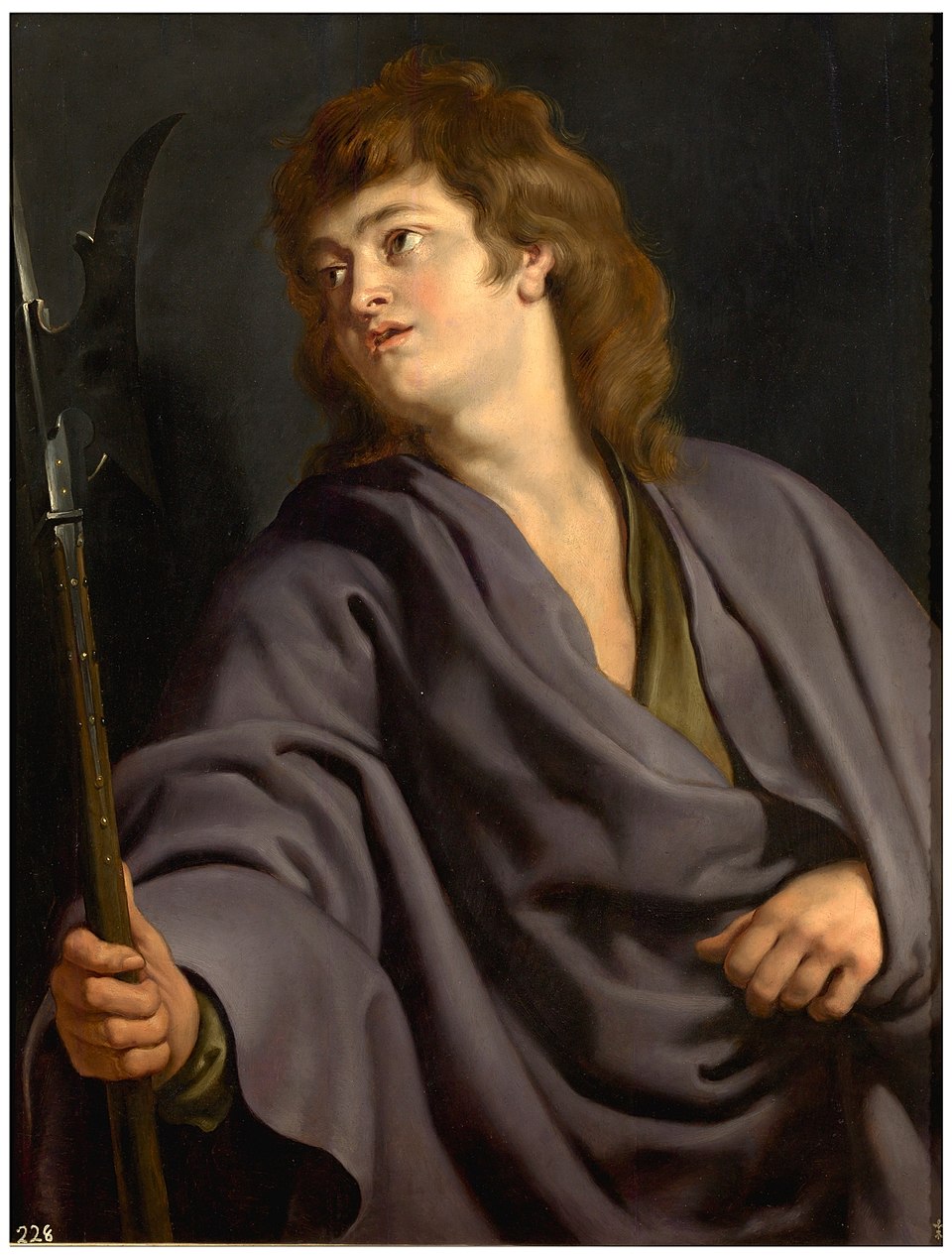
Gospel of Matthew: Chapters, Summary, and Key Insights
Often considered the bridge between the Old and New Testaments, the Gospel of Matthew stands as a foundational text within Christian scripture. As the first book in the New Testament canon, it immediately immerses readers into the life, teachings, death, and resurrection of Jesus Christ. Written primarily for a Jewish Christian audience, Matthew's Gospel meticulously presents Jesus as the long-awaited Messiah, the fulfillment of Israel's prophecies, and the rightful King of God's Kingdom. This comprehensive account offers a structured narrative, rich theological depth, and practical lessons for discipleship that continue to resonate with believers and scholars today.
Authored, according to tradition, by Matthew (also known as Levi), a former tax collector who became one of Jesus' twelve disciples, this Gospel brings a unique perspective. Matthew's intimate knowledge of Jewish customs, scriptures, and legal traditions shines through, providing a compelling case for Jesus' messianic identity. His detailed lineage of Jesus tracing back to Abraham and David, frequent quotations from the Old Testament, and emphasis on Jesus as the new Moses delivering a new Law, all underscore his primary aim: to demonstrate that Jesus is indeed the promised deliverer. For those eager to delve deeper into the life and background of its traditional author, exploring Matthew the Apostle: History, Facts, and Biblical Role can offer invaluable context.
Unpacking the Gospel of Matthew: Structure and Key Themes
The Gospel of Matthew is meticulously organized, comprising 28 chapters that unfold Jesus' story with a distinct theological agenda. Its structure often parallels the five books of Moses (the Torah), presenting five major discourses or teaching sections that alternate with narrative portions. This deliberate structure highlights Jesus as a new and greater lawgiver, bringing God's covenant to its ultimate fulfillment.
- The Birth and Preparation of the Messiah (Chapters 1-4): Matthew begins with Jesus' genealogy, establishing his royal lineage. It chronicles the miraculous birth, the visit of the Magi, the flight to Egypt, and Jesus' early life in Nazareth. Crucially, it sets the stage for his public ministry with John the Baptist's preparatory work, Jesus' baptism, and his triumph over temptation in the wilderness.
- The Proclamation of the Kingdom (Chapters 5-7): This section features the seminal "Sermon on the Mount," perhaps the most famous and influential collection of Jesus' ethical teachings. Here, Jesus outlines the radical demands and blessings of the Kingdom of Heaven, emphasizing inward righteousness, love for enemies, and true piety that far surpasses mere external observance of the Law.
- The Power and Authority of the King (Chapters 8-12): Matthew presents a series of miracles demonstrating Jesus' authority over disease, nature, and demonic forces. These acts are not just displays of power but signs confirming his identity as the Messiah and the in-breaking of God's Kingdom.
- Parables of the Kingdom (Chapters 13-20): Jesus uses parables—earthly stories with heavenly meanings—to reveal the mysteries of the Kingdom of Heaven. Stories like the Sower, the Weeds, the Mustard Seed, and the Leaven offer insights into the Kingdom's growth, challenges, and ultimate triumph. This section also covers pivotal moments like Peter's confession and the Transfiguration.
- Confrontation and Prophecy (Chapters 21-25): As Jesus enters Jerusalem, the narrative shifts to intense confrontation with religious authorities. He teaches in the Temple, delivers stern rebukes to the Pharisees, and pronounces prophecies regarding the destruction of the Temple and the end times (the Olivet Discourse).
- The Passion, Death, and Resurrection (Chapters 26-28): The Gospel culminates in the dramatic account of Jesus' final Passover, his betrayal, arrest, trial, crucifixion, and glorious resurrection. Matthew's account powerfully emphasizes Jesus' suffering, his voluntary sacrifice, and the ultimate triumph over death, ending with the Great Commission—Jesus' command to his disciples to make disciples of all nations.
Throughout these chapters, Matthew consistently underlines key themes: the fulfillment of prophecy, the radical nature of the Kingdom of Heaven, the demands and rewards of true discipleship, and the sovereign authority of Jesus as the Son of God. His writing is characterized by precision and a deep respect for the scriptural heritage of his people.
Chapter-by-Chapter Overview: A Journey Through Matthew's Narrative
To truly appreciate the depth of Matthew's Gospel, a closer look at its progression is invaluable. While space prevents a summary of all 28 chapters, we can highlight critical junctures:
- Chapters 1-2: The Messiah's Arrival. These chapters establish Jesus' identity through his genealogy (linking him to David and Abraham) and the miraculous circumstances of his birth, fulfilling prophecies about a virgin birth and Bethlehem.
- Chapters 3-4: Preparation for Ministry. John the Baptist prepares the way, Jesus is baptized (affirming his divine sonship), and then successfully resists Satan's temptations, demonstrating his perfect obedience and readiness to inaugurate God's Kingdom.
- Chapters 5-7: The Sermon on the Mount. This is the heart of Jesus' ethical teaching, including the Beatitudes, teachings on the Law, prayer, fasting, giving, and the foundational principle to "seek first the kingdom of God and his righteousness."
- Chapters 8-10: Displaying Authority and Calling Disciples. Jesus performs numerous miracles – healing the sick, calming storms, casting out demons – showcasing his power. He also calls his twelve disciples and gives them authority, commissioning them to spread the Kingdom message.
- Chapters 11-12: Growing Opposition. As Jesus' ministry expands, so does opposition from religious leaders. He rebukes unrepentant towns and engages in debates over the Sabbath and his authority.
- Chapter 13: Parables of the Kingdom. Seven parables illustrate different aspects of the Kingdom: its diverse reception (Sower), its mixed nature (Weeds), its growth (Mustard Seed, Leaven), its hidden value (Hidden Treasure, Pearl of Great Value), and its ultimate judgment (Net).
- Chapters 14-17: Further Ministry and Revelation. Jesus feeds the five thousand, walks on water, and continues to heal. Peter's confession of Jesus as the Christ and the subsequent Transfiguration are major turning points, revealing Jesus' divine glory.
- Chapters 18-20: Teachings on Discipleship and Humility. Jesus instructs his followers on forgiveness, humility, marriage, and the dangers of wealth. The parable of the laborers in the vineyard emphasizes God's generous grace.
- Chapters 21-23: Jerusalem Confrontations. Jesus triumphantly enters Jerusalem, cleanses the Temple, and engages in intense verbal clashes with the Pharisees and Sadducees, exposing their hypocrisy.
- Chapters 24-25: The Olivet Discourse. Jesus delivers a major prophetic discourse on the destruction of the Temple and signs of his return, emphasizing readiness, watchfulness, and faithful living through parables like the Ten Virgins and the Talents.
- Chapters 26-27: The Passion. These chapters detail the Last Supper, Jesus' agony in Gethsemane, his betrayal by Judas, his arrest, trials before the Sanhedrin and Pilate, and finally, his crucifixion and death.
- Chapter 28: The Resurrection and Great Commission. The Gospel concludes with the glorious resurrection of Jesus, his appearance to his disciples, and the profound command to "Go and make disciples of all nations, baptizing them in the name of the Father and of the Son and of the Holy Spirit, teaching them to obey everything I have commanded you." This powerful ending serves as both a culmination and a new beginning for the Christian faith.
Key Insights and Enduring Lessons from Matthew
The Gospel of Matthew is not merely a historical account; it's a foundational theological work brimming with insights relevant for all generations. Its enduring legacy lies in several key areas:
- Jesus as the Messiah and Fulfillment of Prophecy: Matthew relentlessly demonstrates how Jesus' life, ministry, death, and resurrection perfectly fulfill scores of Old Testament prophecies. This emphasis provides a powerful apologetic for his Jewish audience and solidifies Jesus' unique role in God's redemptive plan. It teaches us to see the continuity and culmination of God's work throughout history.
- The Kingdom of Heaven: This central concept describes God's sovereign rule, which has already begun in Jesus' ministry but will be fully realized in the future. Matthew teaches that entry into this Kingdom requires repentance, faith, and adherence to Jesus' radical ethical teachings, particularly those found in the Sermon on the Mount. It challenges us to live out Kingdom values now.
- Discipleship and Ethical Living: Matthew provides a comprehensive framework for what it means to be a follower of Jesus. From the Beatitudes to the parables on forgiveness and humility, the Gospel emphasizes inward transformation over outward religious performance. Practical advice on prayer, fasting, giving, and seeking righteousness guide believers in their daily walk. For further understanding of the person behind this profound work, Saint Matthew Explored: Disciple, Author, and Legacy offers rich context.
- The Church's Foundation: Matthew contains the only Gospel reference to the "church" (Matthew 16:18, 18:17), hinting at the community of believers that Jesus would establish. The Great Commission in chapter 28 serves as the church's foundational mandate for evangelism and discipleship.
- God's Universal Plan: While written for a Jewish audience, Matthew subtly broadens the scope of God's salvation. The visit of the Gentile Magi at Jesus' birth and the final command to make disciples of "all nations" clearly indicate that God's plan is for all humanity, not just Israel.
Tips for Studying Matthew:
- Look for Old Testament Quotations: Pay attention to phrases like "This happened to fulfill what the Lord had said through the prophet..." as these are central to Matthew's argument.
- Identify the Five Discourses: Recognizing these teaching blocks (Ch. 5-7, 10, 13, 18, 23-25) helps understand the structure and thematic development.
- Consider the Audience: Keep in mind Matthew's Jewish Christian audience to grasp the significance of his arguments and allusions.
- Focus on Discipleship: Matthew offers profound insights into what it means to truly follow Jesus. Reflect on how his teachings apply to your own life.
The Gospel of Matthew is an extraordinary testament to Jesus Christ, meticulously presenting him as the promised Messiah, the King, and the ultimate Teacher. Its comprehensive narrative, structured teachings, and profound theological insights have shaped Christian thought for millennia. As readers journey through its 28 chapters, they encounter a dynamic portrait of Jesus that challenges, inspires, and calls for a committed response to the Kingdom of Heaven.
